

Start here
If you’re here, one of three things is probably true:
Something on your credit file doesn’t feel right.
You’re being told to “improve your score” but no one explains how the system actually works.
You’re dealing with a lender, debt collector, or complaint process that feels confusing, opaque, pressuring or unfair.
This site exists to cut through that.
Not with hacks.
Not with score obsession.
With structure.
Credit is not a moral judgement, although it certainly can feel that way.
It’s a reporting system built on data, process, and rules.
When those rules are misunderstood — or misapplied — harm happens.
This site helps you understand where that harm comes from, and what to do about it.
Credit Truth doesn’t charge for this insight.
It is a completely free resource, allowing you to explore remedial actions through understanding rather than ignorance using UK law and regulatory frameworks.
If you fancy a read the backstory before jumping in, have a read of:
What this site is — and isn’t
-
📂 What this site is
A documented record of real disputes
Evidence-led analysis
Grounded in UK regulatory context
Outcomes tracked over time
Transparent about process and limitations
-
⚖️ What this site isn’t
Legal advice
Financial advice
A claims management service
A “credit repair” shortcut
A subscription product
-
⏳ What it requires
Time
Patience
Willingness to challenge
Persistence
Emotional steadiness
Steps To Success

Step 1
Understand Your Credit Files
Before you dispute anything, you need clarity.
Check all three Credit Reference Agencies (Experian, Equifax, TransUnion)
Look for duplicated defaults
Check default dates
Check balances
Check account ownership
Check status markers
Look for duplication
Don’t rely on a score. Read the data.

Step 4
Document Everything
Memory is unreliable Credit reporting isn’t.
Track:
Dates sent
Deadlines
Responses
Non-responses
Escalation points
The difference between “ignored” and “complaint upheld” is your persistence.

Step 2
Identify Harm
Not all negative data is wrong. Some of it is inaccurate. Some of it is procedurally flawed. Some of it is technically correct but contextually unfair.
This step focuses on:
Ongoing default reporting
Unenforceable agreements
Incorrect balances
Duplicate reporting
Procedural breaches & Data protection failures
If you don’t know what category you’re in yet, that’s normal.
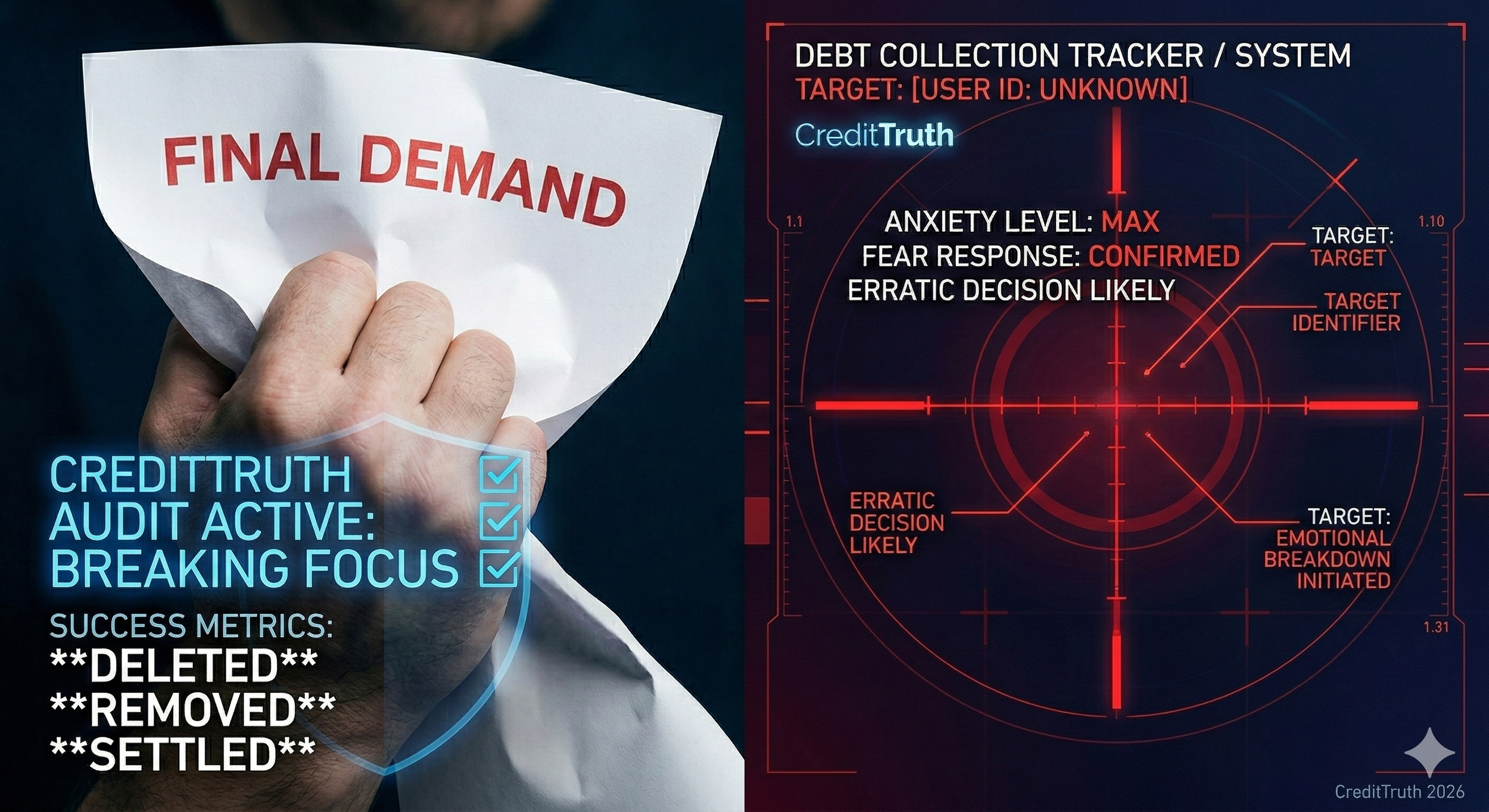
Manage Emotion
Clean. Clinical.
Debt is an emotional subject. It breaks people down. Debt collection models fuel this - by design.
We’ve put together some information to help you remove the emotional aspect from what you are embarking on.
Keeping everything factual and unemotional in your communications puts you in the stronger position, even if it doesn’t seem that way right now.
→ Check out our page here.

Step 3
It’s recommended to follow the steps in order however you can jump straight to a step using the buttons below if you need to:
Follow The Process
Credit disputes aren’t emotional, they are procedural.
They require:
Evidence
Self regulation
Deadlines
Escalation tactics
Patience
Unemotional strength
Further context
Real disputes. Real timelines. Real outcomes.
See how issues were framed, how lenders responded, and what escalation actually looked like.
→ Read the Complaint Framework (coming soon)
The structure behind every dispute on this site.
How to evidence, reference regulation, set deadlines, and escalate properly.
Context, analysis, and commentary on how the credit system actually operates — not how it’s marketed. See what’s already published and keep track of what’s coming in the Forthcoming analysis section.

The UK credit system feels opaque because it’s rarely explained from the inside out.
This site exists to show that outcomes are not reserved for specialists, claims companies, or insiders — but are accessible to anyone willing to understand the rules and persist within the system.
Credit Truth documents pathways. It doesn’t promise shortcuts.
You do not need permission to question what is presented as “final.”
You only need the patience to stay with it.