
Complaint Framework
Credit disputes aren’t arguments. They’re evidence + rules + deadlines.
Your golden tests:
Accuracy → is it true?
Fairness/proportionality → even if “technically true”, is the ongoing processing justified?
Evidence → can they prove it, not just assert it?
Burden → who has to prove it? → If they can’t evidence it, they shouldn’t be reporting it.
The four routes to tackling these tests are laid out on this page.

Route 1 - The Creditor / Debt Owner
Fix at the source. Force the lender/debt collector to evidence the data, correct inaccuracies, and stop unjustified reporting at the origin. Put the firm on notice, demand evidence, demand correction & suppression, set deadlines.
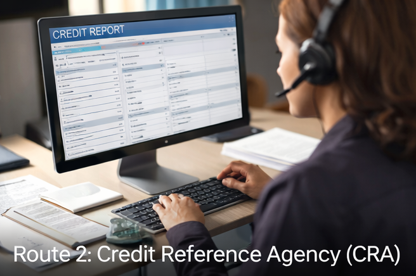
Route 2 - The Credit References Agencies
Fix the publication. Make the Credit Reference Agency verify—not repeat—what they’ve been told. If it can’t be evidenced, then it should be suppressed/restricted and in some cases, removed.

Route 3 - The Regulators
Make it hurt. Escalate the firm’s failure: unfair treatment, process failures, data accuracy issues, non-response, and refusal to evidence. Complaint routes include The Financial Ombudsman Service (FOS), The Information Commissioners Office (ICO), and in some cases, the Financial Conduct Authority (FCA) and the Credit Services Association (CSA) could be notified.
Route 4 - The Court System
Enforce compliance. The backstop when everything else fails — used selectively, evidence-first, and only where the facts and risk justify it.